


Revolutionizing Architecture with Prefab Housing Solutions
- IMAVERICK

- Jul 2
- 4 min read
The architecture and construction industries are undergoing a significant transformation. Prefab housing solutions are at the forefront of this revolution, offering a new way to design, build, and deliver homes and commercial properties. These solutions combine efficiency, quality, and sustainability, making them an attractive option for property developers, hoteliers, homeowners, and investors seeking high-end design and construction solutions.
Prefab housing is not just a trend; it is a strategic response to the challenges of modern construction. It addresses issues such as rising costs, labor shortages, and environmental concerns. By embracing prefab housing solutions, the industry can achieve faster project completion, better quality control, and reduced waste.
The Rise of Prefab Housing Solutions in Modern Architecture
Prefab housing solutions involve manufacturing building components in a controlled factory environment before transporting them to the construction site for assembly. This method contrasts with traditional on-site construction, where every element is built from scratch on location.
The benefits of prefab housing solutions are numerous:
Speed: Factory production allows simultaneous site preparation and building fabrication, cutting down overall project timelines.
Quality: Controlled environments reduce errors and improve precision.
Cost-effectiveness: Bulk purchasing and reduced labor costs lower expenses.
Flexibility: Modular designs can be customized to meet specific architectural needs.
Sustainability: Less material waste and energy-efficient processes contribute to greener construction.
For example, a hotel developer can use prefab modules to quickly expand accommodation capacity without compromising design quality. Similarly, homeowners can benefit from faster build times and reduced disruption.

Key Advantages of Prefab Housing Solutions for Property Development
Prefab housing solutions offer distinct advantages that align perfectly with the goals of property developers and investors. Here are some critical factors to consider:
1. Accelerated Project Delivery
Time is money in property development. Prefab components are produced off-site while groundwork occurs simultaneously. This parallel process can reduce construction time by up to 50%. Faster completion means quicker returns on investment and the ability to meet market demand promptly.
2. Enhanced Design Precision and Quality Control
Factories use advanced machinery and standardized processes to ensure each component meets exact specifications. This precision reduces the risk of defects and rework, which are common in traditional construction. The result is a higher-quality finished product that meets or exceeds building codes and standards.
3. Cost Savings and Budget Predictability
Prefab housing solutions minimize on-site labor and reduce material waste. Bulk manufacturing also allows for better cost control. Developers can forecast budgets more accurately, reducing the risk of overruns. These savings can be passed on to buyers or reinvested in other projects.
4. Sustainability and Environmental Responsibility
The construction industry is a significant contributor to environmental degradation. Prefab housing solutions help mitigate this impact by optimizing material use and reducing waste. Additionally, many prefab manufacturers incorporate energy-efficient designs and materials, supporting the shift toward greener buildings.
For those interested in eco-friendly options, exploring sustainable prefab housing solutions can provide valuable insights into how prefab methods contribute to environmental stewardship.
Innovative Design Possibilities with Prefab Housing Solutions
Prefab housing solutions do not limit creativity; instead, they expand design possibilities. Architects and developers can leverage modular construction to create unique, high-end properties that stand out in the market.
Customization and Flexibility
Contrary to the misconception that prefab homes are cookie-cutter, modern prefab systems offer extensive customization. Modules can be combined in various configurations, allowing for diverse layouts and styles. Facades, finishes, and interior details can be tailored to client preferences.
Integration of Smart Technologies
Prefab units can be pre-equipped with smart home technologies, such as automated lighting, climate control, and security systems. This integration streamlines installation and enhances the property's appeal to tech-savvy buyers and guests.
Adaptability to Different Environments
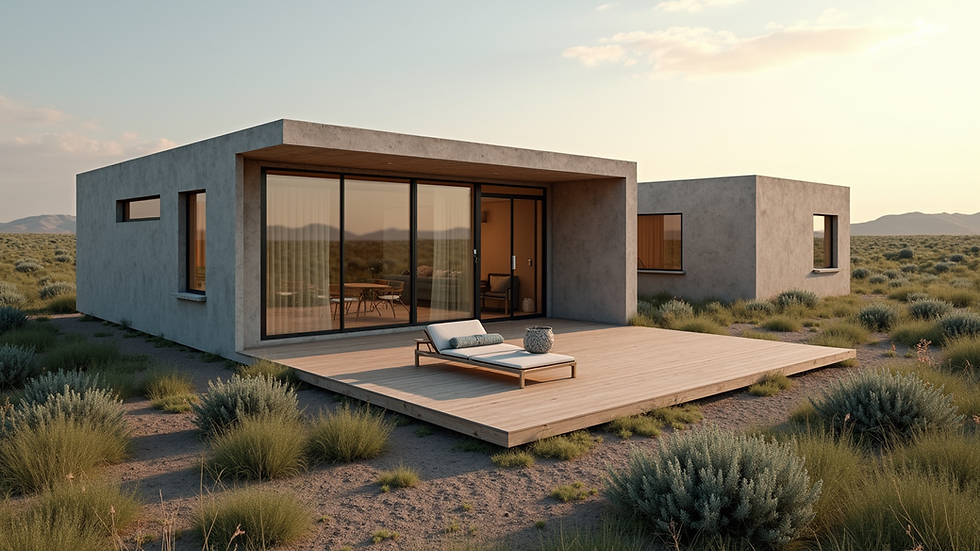
Prefab housing solutions are suitable for urban, suburban, and remote locations. Their modular nature allows for easy transportation and assembly in challenging sites, including areas prone to natural disasters. This adaptability makes prefab an excellent choice for hotels in scenic or hard-to-reach destinations.
Overcoming Challenges in Prefab Housing Implementation
While prefab housing solutions offer many benefits, successful implementation requires addressing certain challenges:
Logistics and Transportation
Transporting large modules demands careful planning to avoid damage and delays. Developers must coordinate with manufacturers and logistics providers to ensure smooth delivery.
Regulatory Compliance
Building codes and zoning laws vary by location. Prefab projects must comply with local regulations, which may require additional approvals or modifications.
Perception and Market Acceptance
Some buyers and investors may still perceive prefab homes as lower quality or less desirable. Educating stakeholders about the advantages and showcasing high-quality examples can help overcome this bias.
Skilled Workforce and Training
Although prefab reduces on-site labor, skilled workers are needed for assembly and finishing. Investing in training ensures quality and efficiency during installation.
The Future of Architecture with Prefab Housing Solutions
Prefab housing solutions are poised to redefine the future of architecture and construction. As technology advances, we can expect even greater integration of automation, robotics, and digital design tools in prefab manufacturing.
The focus on sustainability will drive innovation in materials and energy-efficient designs. Prefab methods will become more accessible, democratizing high-quality housing and commercial spaces worldwide.
For companies like iMaverick Int'l. Corp., embracing prefab housing solutions aligns with the mission to elevate craftsmanship and expand real estate opportunities. By leveraging these innovations, the industry can deliver exceptional properties faster, greener, and more cost-effectively.
In summary, prefab housing solutions represent a powerful tool for transforming architecture. They offer practical benefits without sacrificing design excellence. As the market evolves, those who adopt prefab methods will lead the way in creating the next generation of buildings.
By integrating prefab housing solutions into your projects, you position yourself at the cutting edge of architectural innovation. The future is modular, efficient, and sustainable - and it starts with prefab.


Comments